

A Complete Guide for Automating Hotel Check-in in Germany
The hospitality industry in Germany is evolving rapidly. Guests today expect fast, contactless, and seamless experiences from the moment they arrive at a hotel. Traditional front desk processes are no longer enough to meet rising expectations, especially in busy tourist cities like Berlin, Munich, Hamburg, and Frankfurt.
This shift has increased demand for smart hotel software in Germany, with solutions that simplify operations and improve guest satisfaction. One of the biggest trends transforming the hospitality sector is the ability to Automate Hotel Check-in using digital technologies.
From boutique hotels to large chains, more businesses are investing in self-check-in hotel automation to reduce waiting times, lower operational costs, and deliver a modern guest experience.
Why Hotel Check-in Automation Matters in Germany?
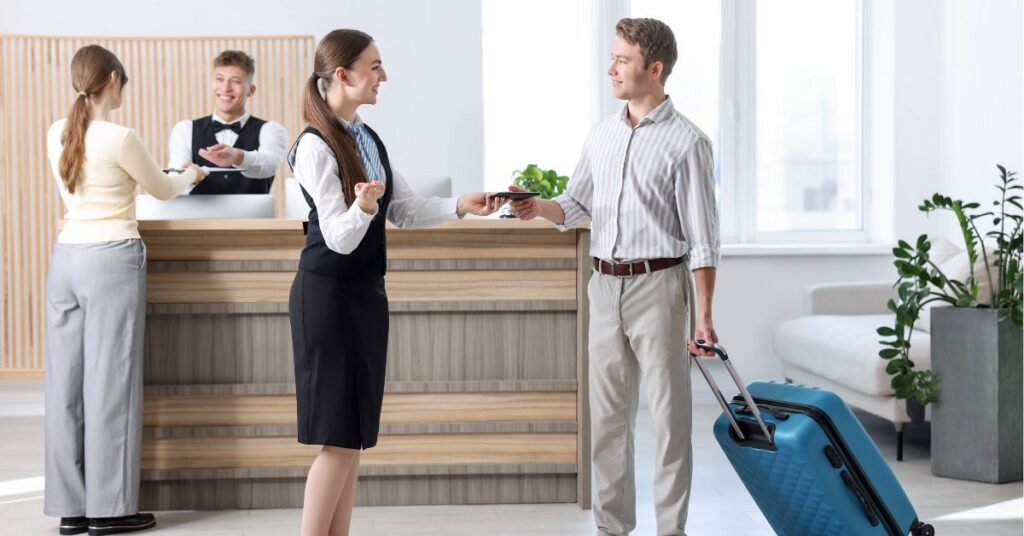
Germany is one of Europe’s strongest tourism markets, attracting millions of business travelers and tourists every year. During peak seasons, hotel receptions often struggle with:
- Long guest queues
- Late-night arrivals
- Staffing shortages
- Manual paperwork
- Human errors in registration
- Slow room allocation processes
Automating hotel check-in solves these problems by allowing guests to complete most processes digitally before arriving.
Modern hotel software in Germany platforms now offer:
- Mobile check-in
- Online identity verification
- Digital signatures
- Automated payment collection
- Keyless room access
- Real-time room management
For hotels operating in Germany, automation is no longer a luxury it is becoming a competitive necessity.
What Does It Mean to Automate Hotel Check-in?
Automating hotel check-in means replacing manual front desk procedures with digital systems that allow guests to check in independently.
This can happen through:
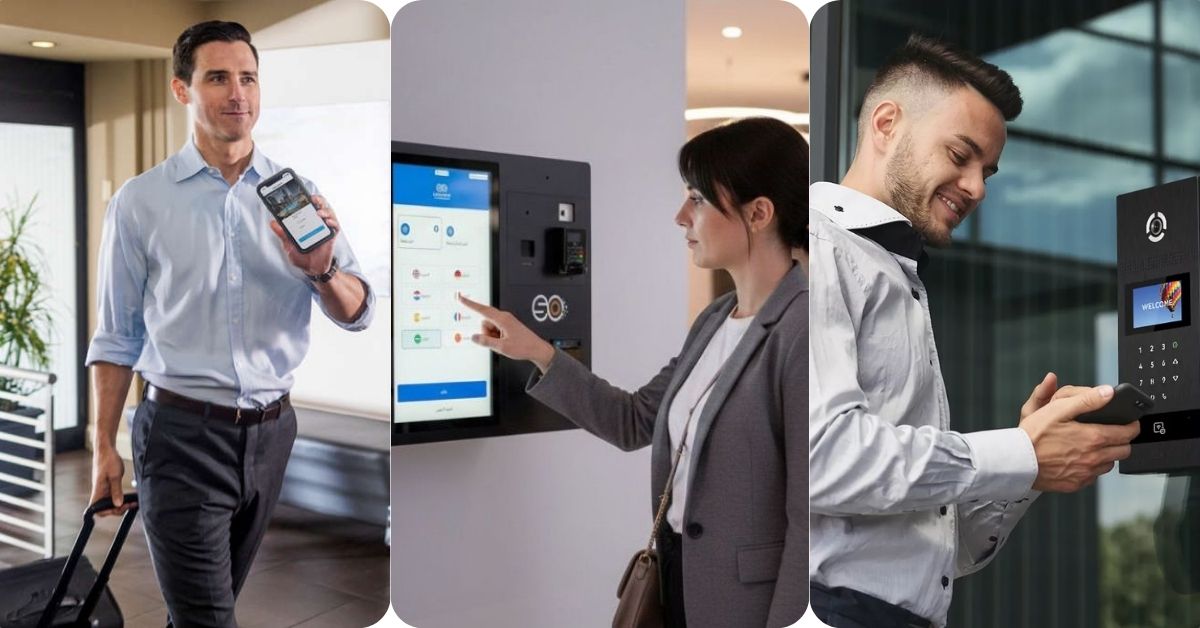
1. Mobile Check-in
Guests receive a link before arrival where they can: Upload ID documents Verify personal information Complete registration forms Make payments Receive room access details
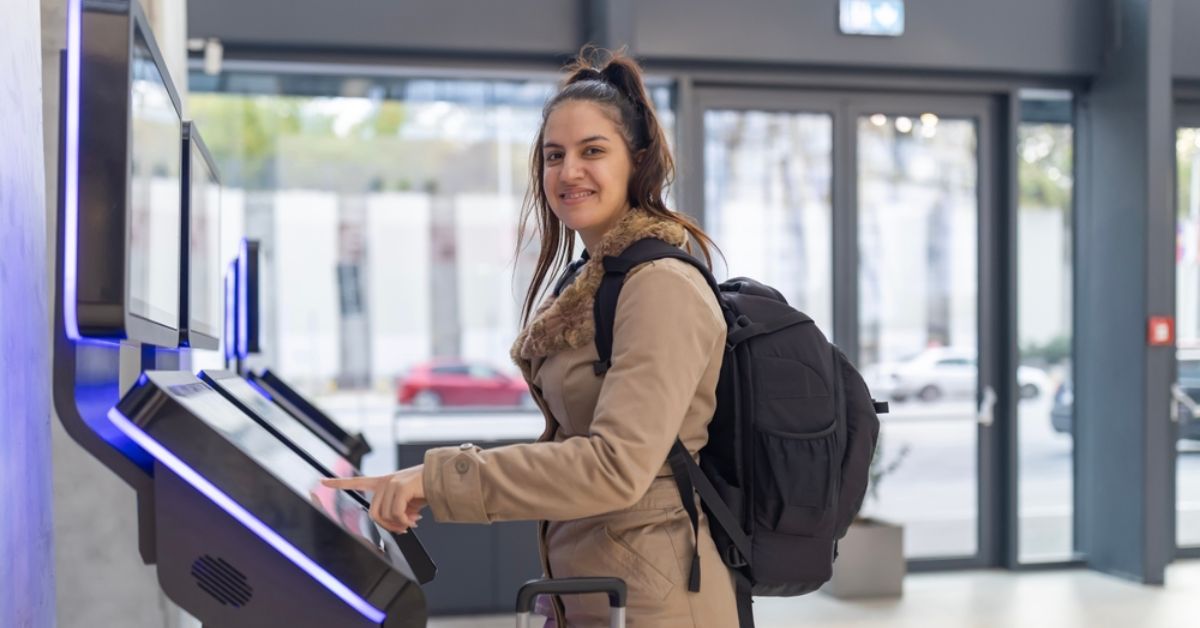
2. Self-Service Kiosks
Hotels can install digital kiosks in reception areas where guests check in without staff assistance.
3. Keyless Entry Systems
Guests receive digital room keys directly on their smartphones.
4. Automated Guest Communication
Hotels can automatically send:
- Booking confirmations
- Arrival instructions
- Wi-Fi details
- Upselling offers
- Check-out reminders
These technologies work together through a centralized hotel management system.
Benefits of Self-Check-in Hotel Automation
Faster Guest Experience
Travelers no longer want to wait in long queues after a tiring journey. Self-check-in hotel significantly reduces waiting times and creates a smoother arrival process.
Lower Operational Costs
Hotels in Germany face rising labor costs and staff shortages. Automation reduces dependency on front desk staffing while improving efficiency.
24/7 Guest Access
Automated systems allow guests to check in at any time, even late at night when reception staff may not be available.
Improved Accuracy
Manual data entry often leads to mistakes. A digital hotel management system minimizes errors in guest records and payments.
Better Guest Satisfaction
Guests appreciate convenience, speed, and contactless experiences. Positive experiences can improve reviews on booking platforms.
Increased Revenue Opportunities
Automation tools can suggest upgrades, breakfast packages, or additional services during digital check-in.
Key Features to Look for in Hotel Software Germany
Choosing the right hotel software solution in Germany is critical for successful automation. Not all systems are designed for the specific needs of German hotels.
Here are the most important features to consider:
GDPR Compliance
Germany has strict data privacy laws under GDPR. Your hotel management system must securely store guest information and comply with European data protection regulations.
Digital Registration Forms
Hotels in Germany often require guest registration forms (Meldeschein). Automation software should allow guests to complete these forms digitally.
Integration with Booking Engines
Your software should connect seamlessly with booking channels such as:
- Booking.com
- Expedia
- Airbnb
- Direct hotel websites
Mobile Compatibility
Guests expect mobile-first experiences. Ensure the system supports smartphones and tablets.
Multi-language Support
Germany welcomes international travelers, so multilingual check-in systems improve accessibility.
Payment Automation
Secure online payment collection before arrival helps reduce fraud and speeds up reception processes.
Smart Room Access
Modern self-check-in hotel automation should integrate with smart locks or keycard systems.
How HOS Booking Helps Hotels Automate Check-in?
HOS Booking is becoming a trusted solution for hotels seeking reliable automation technology in Germany. The platform combines booking management, guest communication, and check-in automation into one centralized system.
With HOS Booking, hotels can:
- Automate guest check-in workflows
- Manage reservations in real time
- Send automated pre-arrival instructions
- Enable digital document verification
- Reduce front desk workload
- Improve guest satisfaction
- Handle room assignments efficiently
For hotel owners looking for scalable hotel software solutions in Germany, HOS Booking provides the flexibility needed for both small hotels and large hospitality businesses.
Step-by-Step Guide to Automate Hotel Check-in in Germany
Step 1: Evaluate Your Current Hotel Operations
Before investing in automation, analyze:
- Average check-in time
- Reception bottlenecks
- Guest complaints
- Staffing costs
- Current software limitations
- Understanding these challenges helps identify the right automation strategy.
Step 2: Choose the Right Hotel Management System
A powerful hotel management system acts as the backbone of your hotel operations. Look for software that offers:
- Cloud-based access
- Mobile check-in
- Automated guest messaging
- Channel management
- Payment processing
- Reporting and analytics
The ideal system should simplify daily operations rather than complicate them.
Step 3: Enable Online Pre-Check-in
Allow guests to complete registration before arrival. This reduces congestion at reception and speeds up room allocation.
Guests can:
- Upload documents
- Confirm details Make payments
- Sign registration forms digitally
Step 4: Install Smart Access Systems
Hotels can integrate:
- Smart locks
- Mobile room keys
- QR-code access systems
- Automated kiosks
This creates a fully digital arrival experience.
Step 5: Automate Guest Communication
Automated communication improves professionalism and guest engagement. Examples include:
- Booking confirmations
- Arrival instructions
- Upsell opportunities
- Local recommendations
- Automated review requests
Step 6: Train Your Staff
Automation does not replace hospitality. Instead, it allows hotel staff to focus more on guest experience rather than repetitive administrative tasks.
Train employees to:
- Manage digital systems
- Assist guests with self-service tools
- Resolve technical issues
- Deliver personalized service
Common Challenges When Implementing Hotel Automation
Resistance to Technology
Some staff members may initially resist new systems. Proper training and communication are essential.
Initial Investment Costs
Automation requires upfront investment in software and hardware. However, most hotels recover costs through:
- Reduced staffing expenses
- Faster operations
- Increased guest satisfaction
- Higher occupancy rates
Integration Issues
Older systems may not integrate smoothly with modern hotel software Germany platforms. Choosing scalable and compatible software is important.
Guest Adaptation
Not all guests are comfortable with digital systems. Hotels should still provide optional human support for guests who prefer traditional service.
The Future of Hotel Automation in Germany
The future of hospitality in Germany is increasingly digital. Hotels are adopting:
- AI-powered chatbots
- Facial recognition check-in
- Voice-controlled hotel rooms
- Smart energy management
- Automated concierge services
As technology advances, self-check-in hotel automation will become standard across the hospitality industry.
Guests will expect fast, contactless, and personalized experiences at every stage of their stay. Hotels that invest early in automation technology will gain a strong competitive advantage.
Why German Hotels Are Rapidly Adopting Automation?
Several market trends are driving hotel automation growth in Germany:
- Labor Shortages: The hospitality sector faces ongoing staffing challenges.
- Rising Guest Expectations: Modern travelers expect digital convenience similar to airlines and ride-sharing apps.
- Operational Efficiency: Hotels want to reduce manual work and increase productivity.
- Competitive Pressure: Hotels with faster and smarter check-in systems gain stronger guest reviews and higher retention.
- Contactless Hospitality Trends: Post-pandemic travelers continue to prefer minimal-contact experiences.
These factors make investing in a hotel management system more important than ever.
Best Practices for Successful Hotel Check-in Automation
To maximize results, hotels should follow these best practices:
- Keep the User Experience
- Offer Human Support When Needed
- Use Secure Technology
- Continuously Monitor Performance
- Update Software Regularly
Conclusion
The hospitality industry in Germany is rapidly moving toward digital transformation. Hotels that Automate Hotel Check-in can significantly improve operational efficiency, reduce costs, and deliver a better guest experience. By investing in modern hotel software and implementing self-check-in hotel automation, hotels can stay competitive in an increasingly technology-driven market.
Choosing the right hotel management system is the foundation of successful automation. Platforms like HOS Booking help hotels streamline guest registration, automate communication, and create seamless check-in experiences.
As guest expectations continue to evolve, automation is no longer optional; it is becoming essential for hotels that want to grow, improve reviews, and increase profitability in the German hospitality market. If your hotel is planning to modernize operations, now is the ideal time to explore advanced automation technologies and future-ready hospitality solutions.
