

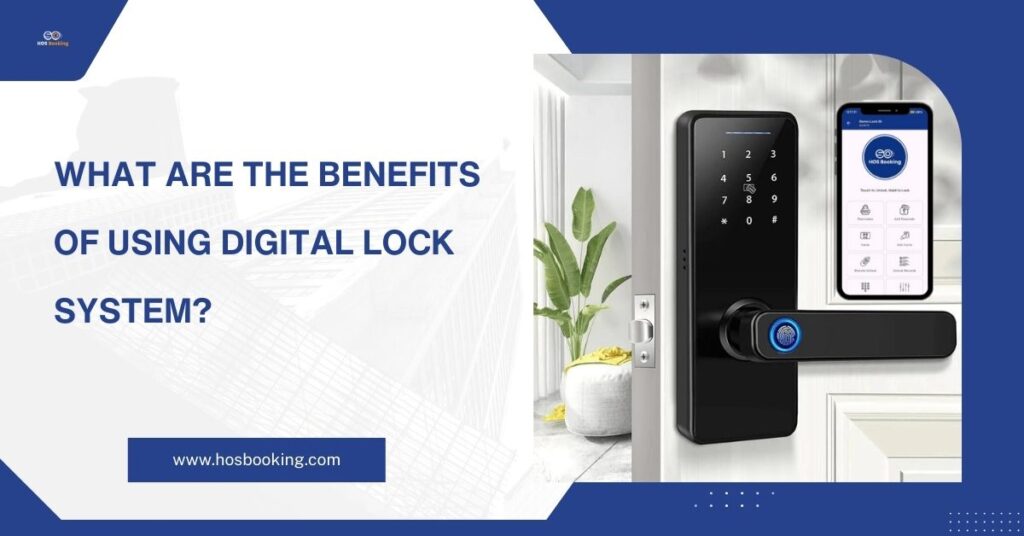
Key Benefits of Using a Smart Lock System
One of the most significant innovations in security and convenience is the smart lock system. Especially in the hospitality industry, smart locks have revolutionized the way hotels operate, making guest experiences smoother while improving hotel management efficiency.
From keyless entry to seamless integration with hotel management systems, the benefits of smart locks are undeniable. Let’s explore the advantages of smart lock systems, particularly for hotels, and why integrating solutions like HOS Booking can elevate your property’s operations.
Top 7 Advantages of Using a Digital Lock System
1. Keyless Entry: Security Meets Simplicity
One of the primary benefits of smart lock systems is a hotel keyless entry system. Unlike traditional locks, smart locks allow access through codes, smartphones, RFID cards, or biometric authentication. For hotels, this technology eliminates the need for physical keys, which can easily be lost or stolen.
Keyless entry offers several advantages:
- Enhanced Security: Traditional keys can be duplicated, but smart locks rely on encrypted digital codes or biometric data, significantly reducing unauthorized access.
- Reduced Operational Costs: No more replacing lost keys or locks; digital access can be managed centrally through a hotel management system.
- Ease of Guest Access: Guests can check in and access their rooms without waiting at the front desk, improving satisfaction and efficiency.
For hotel managers using platforms like HOS Booking, smart locks integrate seamlessly with booking data, automatically generating access codes for each guest’s stay. This ensures that the right person always has the right access without manual intervention.
2. Convenience and Flexibility: Empowering Guests and Staff
Another key advantage of smart locks is the convenience and flexibility they offer. Smart locks empower both hotel staff and guests by simplifying access control.
Guest Convenience
- Self Check-In: Guests can skip the front desk and receive their room code directly via a mobile app or email.
- Remote Access: In cases of late arrivals, guests can unlock their rooms from their smartphones without needing staff assistance.
- Temporary Access Codes: Smart locks allow temporary codes that expire after a set time, perfect for housekeeping, maintenance, or VIP access.
Staff Flexibility
- Simplified Room Management: Hotel staff can unlock rooms remotely, monitor access logs, and manage permissions without physical keys.
- Integration with Hotel Management System: Platforms like HOS Booking enable automatic generation of digital keys linked to reservations, reducing administrative work.
- Customizable Access Levels: Different staff roles can have different access permissions, ensuring security while maintaining operational efficiency.
Overall, the convenience of smart locks not only improves guest experiences but also streamlines hotel operations, allowing staff to focus on more value-driven tasks.
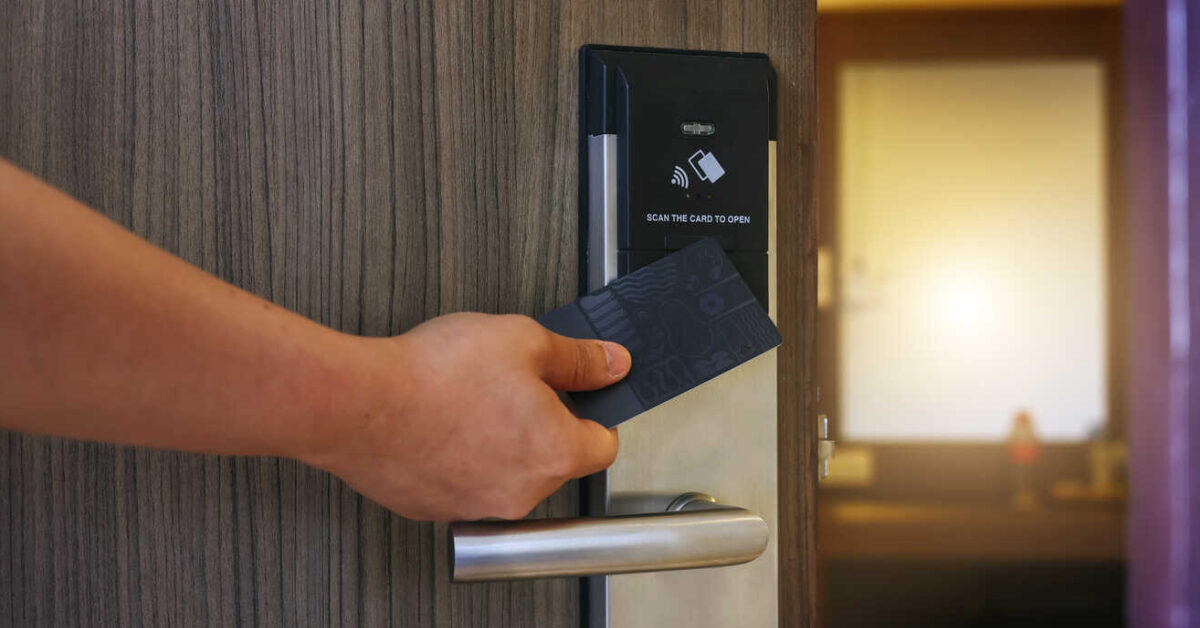
3. Improved Security and Monitoring
A critical advantage of smart lock systems is enhanced security. Traditional locks rely solely on mechanical keys, which are vulnerable to theft or duplication. Smart locks, on the other hand, offer a robust security framework:
- Digital Encryption: Most smart locks use advanced encryption to prevent hacking.
- Access Logs: Every entry and exit can be tracked, providing a clear record of who accessed a room and when.
- Alerts and Notifications: Hotel managers receive instant notifications if a lock is tampered with or if there’s unauthorized access.
This level of security is particularly valuable in hotels, where protecting guest belongings and property reputation is paramount. By integrating with a hotel management system, smart locks ensure that access is tightly controlled and monitored in real-time.
4. Seamless Integration with Hotel Management Systems
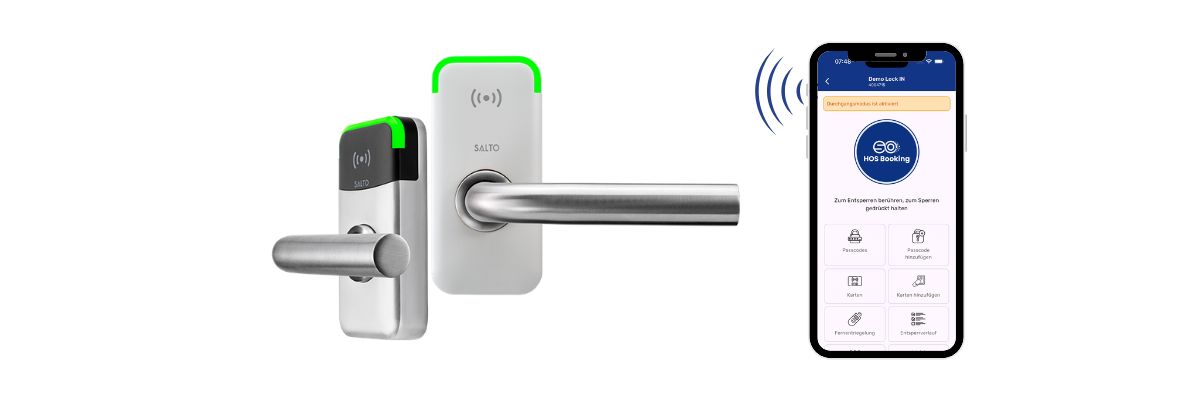
Modern hotels rely on technology to manage bookings, housekeeping, billing, and customer service. Smart locks integrate seamlessly with these hotel management systems, like HOS Booking, offering multiple advantages:
- Automated Key Generation: Digital keys are automatically issued when a guest books a room, reducing manual work.
- Synchronization with Check-In/Check-Out: Smart locks deactivate codes once a guest checks out, preventing unauthorized access. Streamlined
- Housekeeping: Staff can access rooms only during assigned shifts, improving workflow efficiency and accountability.
This integration allows hotels to operate more efficiently, minimize human error, and provide a high-tech, hassle-free experience for guests.
5. Cost Savings and Operational Efficiency
Though the initial investment in smart lock systems for hotels may seem high, the long-term benefits outweigh the costs. Hotels save money in multiple ways:
- Reduced Key Replacement Costs: No more frequent rekeying or issuing duplicate keys.
- Lower Labor Costs: Automated check-in and digital key distribution reduce front desk workload.
- Energy Efficiency: Some smart locks integrate with room management systems to control lights, HVAC, and other devices based on occupancy, further reducing operational costs.
By improving operational efficiency and reducing losses associated with physical keys, smart locks contribute to a more sustainable and profitable business model.
6. Enhanced Guest Experience and Brand Reputation
Guest experience is the cornerstone of the hospitality industry. Hotels that adopt smart lock systems demonstrate a commitment to convenience, safety, and innovation. The advantages include:
- Frictionless Arrival: Guests enjoy the freedom to enter rooms without waiting in lines.
- Modern Appeal: High-tech amenities attract tech-savvy travelers and improve overall satisfaction.
- Positive Reviews: A seamless check-in process and high security often lead to glowing reviews, increasing repeat bookings and strengthening brand reputation.
In competitive markets, the adoption of smart locks can differentiate a hotel from its peers, offering a clear competitive advantage.
7. Future-Proofing Hotel Operations
The hospitality industry is evolving rapidly, and hotels that embrace technology are better positioned for future success. Smart lock systems are scalable, easily upgradable, and compatible with emerging technologies. For example:
- Mobile App Integration: Guests can control room access through branded hotel apps.
- IoT Connectivity: Smart locks can work with other smart devices like thermostats, lighting, and security cameras.
- Data-Driven Insights: Access data can help hotels optimize operations, track room usage, and improve security protocols.
By investing in smart locks today, hotels ensure they remain at the forefront of innovation and continue meeting evolving guest expectations.
Conclusion
The benefits of smart lock systems extend far beyond simple convenience. They provide keyless entry, enhance security, offer operational flexibility, reduce costs, and enhance the guest experience. For hotels, integrating smart locks with a hotel management system, such as HOS Booking, ensures that every aspect of access and security is automated, efficient, and seamless.
In a competitive hospitality landscape, adopting smart locks is not just a technological upgrade—it’s a strategic decision that enhances safety, efficiency, and customer satisfaction. From small boutique hotels to large resorts, the advantages of smart lock systems are clear: modern, secure, and guest-focused operations that save time, money, and resources.
