

How Automation Helped a Small Hotel Achieve 22% Revenue Growth?
Small independent hotels are under constant pressure to compete with larger chains that have advanced systems, bigger budgets, and fully automated operations. But the gap is closing fast. With modern hotel automation tools, even a small property can streamline operations, eliminate manual errors, and significantly increase revenue without adding extra staff.
Let’s explore how a small hotel can successfully increase its revenue by 22% through automation, using modern solutions such as hotel software, channel manager, and the booking platform.
The Turning Point: Implementing Hotel Automation Software
The hotel decided to adopt integrated hotel software for small hotels to streamline its operations. The goal was to reduce manual workload while increasing booking efficiency and revenue performance.
The selected system included:
- A centralized Property Management System (PMS)
- A small hotel channel manager for distribution control
- Integration with direct booking tools
- Automated pricing and availability synchronization
This shift allowed the hotel to move away from fragmented systems and toward a unified digital ecosystem.
Role of a Small Hotel Channel Manager in Revenue Growth
One of the most impactful tools in this transformation was the small hotel channel manager.
Before implementation, the hotel listed rooms on multiple Online Travel Agencies (OTAs), including Booking.com, Expedia, and Airbnb, but updates were made manually. This often resulted in:
- Overbookings
- Price inconsistencies
- Delayed updates across platforms
After introducing a channel manager, all distribution channels were synchronized in real time.
Key Benefits of the Channel Manager:
- Real-time inventory updates across all OTAs
- Automatic rate synchronization
- Reduced risk of overbooking
- Improved online visibility
- Easier expansion to new booking platforms
This system alone significantly reduced operational errors and improved booking efficiency, contributing directly to increased revenue.
Increasing Direct Bookings with HOS Booking
Another major factor in revenue growth was the integration of HOS Booking, a direct booking solution that allowed the hotel to reduce dependency on third-party platforms.
Before automation, most bookings came through OTAs, which charged high commission fees. After implementing HOS Booking, the hotel gained a stronger direct booking channel.
Advantages of HOS Booking
- Commission-free reservations
- Seamless integration with the hotel website
- Mobile-friendly booking experience
- Real-time availability synchronization
- Secure payment processing
By encouraging guests to book directly, the hotel improved profit margins while building stronger customer relationships.
Pricing Optimization Through Automation
One of the most overlooked aspects of revenue growth is pricing strategy. Previously, the hotel used fixed seasonal rates, which often resulted in underpricing during high-demand periods.
With automation tools integrated into their hotel software for small hotels, the hotel implemented dynamic pricing strategies based on:
- Demand trends
- Local events
- Seasonal fluctuations
- Competitor pricing
This allowed the hotel to maximize room rates during peak demand and offer competitive pricing during low seasons.
The result was a more balanced occupancy rate and increased average daily revenue.
Operational Efficiency: Less Work, More Productivity
Automation not only improved revenue but also transformed daily operations for the staff.
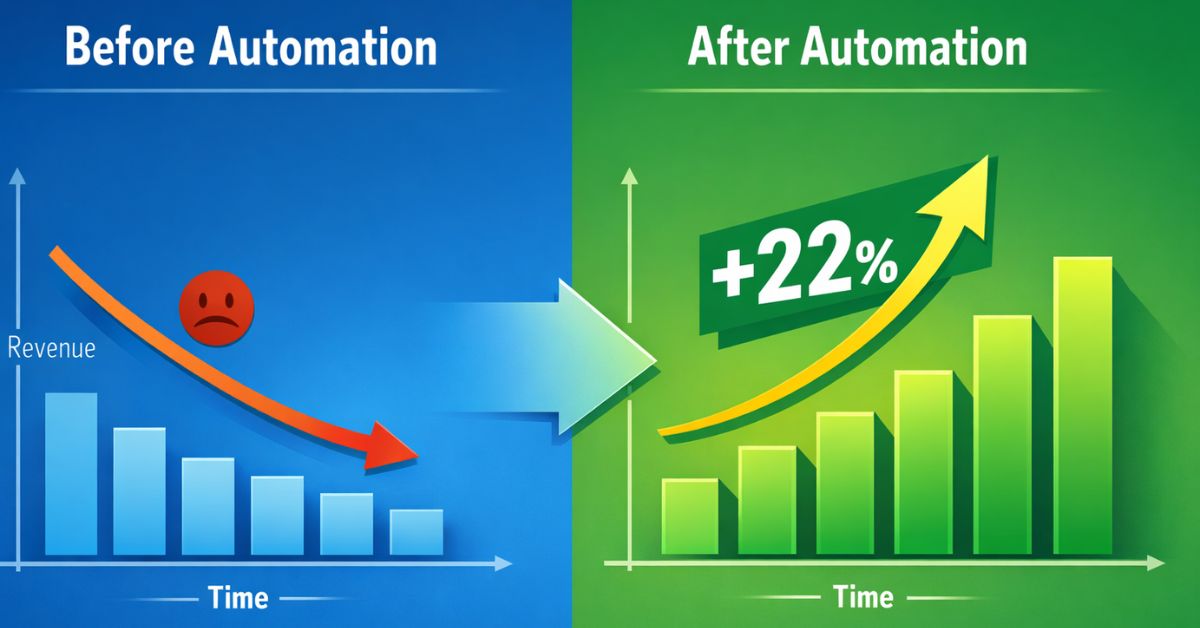
Before automation
- Staff manually updated multiple booking platforms
- High risk of human error
- Time spent on repetitive administrative tasks
- Delayed response to booking inquiries
After automation
- Centralized dashboard for all bookings
- Automated email confirmations
- Instant updates across all channels
- Reduced workload for front desk staff
This shift allowed employees to focus more on guest services, improving overall satisfaction scores and reviews.
Improved Guest Experience Leads to Higher Revenue
Automation indirectly boosted revenue by improving guest experience. Faster response times, accurate bookings, and seamless check-in processes contributed to better reviews and higher ratings on OTAs.
Key improvements included
- Instant booking confirmations via HOS Booking
- Automated pre-arrival emails
- Faster check-in due to synced reservation data
- Personalized communication based on guest history
Positive guest experiences led to increased repeat bookings and stronger word-of-mouth referrals.
Data-Driven Decision Making
Another major advantage of using integrated hotel software for small hotels was access to real-time analytics.
The hotel management could now track:
- Occupancy rates by channel
- Revenue per available room (RevPAR)
- Booking source performance
- Seasonal demand patterns
This data allowed them to make informed business decisions rather than relying on guesswork.
For example, they identified that direct bookings through HOS Booking had the highest profit margin, prompting them to invest more in direct marketing campaigns.
Results: A 22% Increase in Revenue
Within three to six months of implementing automation tools, the hotel can achieve a 22% and more increase in total revenue.
This growth came from multiple factors:
- Increased direct bookings via HOS Booking
- Better channel management efficiency
- Optimized pricing strategy
- Reduced booking errors and cancellations
- Improved occupancy rates
Importantly, this growth was achieved without significantly increasing operational costs or staff workload.
Conclusion
The hospitality industry is rapidly evolving, and small hotels must adapt to remain competitive. This case study demonstrates how adopting modern hotel software for small hotels, leveraging a reliable small hotel channel manager, and integrating tools like HOS Booking can lead to measurable financial growth.
With a structured automation strategy, the hotel not only improved operational efficiency but also achieved a significant 22% increase in revenue.
For small hotel owners looking to scale sustainably, automation is no longer optional; it is essential for long-term success.
