

















How the Digital Guest Journey Is Redefining Hospitality in 2026?
 Vernes Mulahuseinovic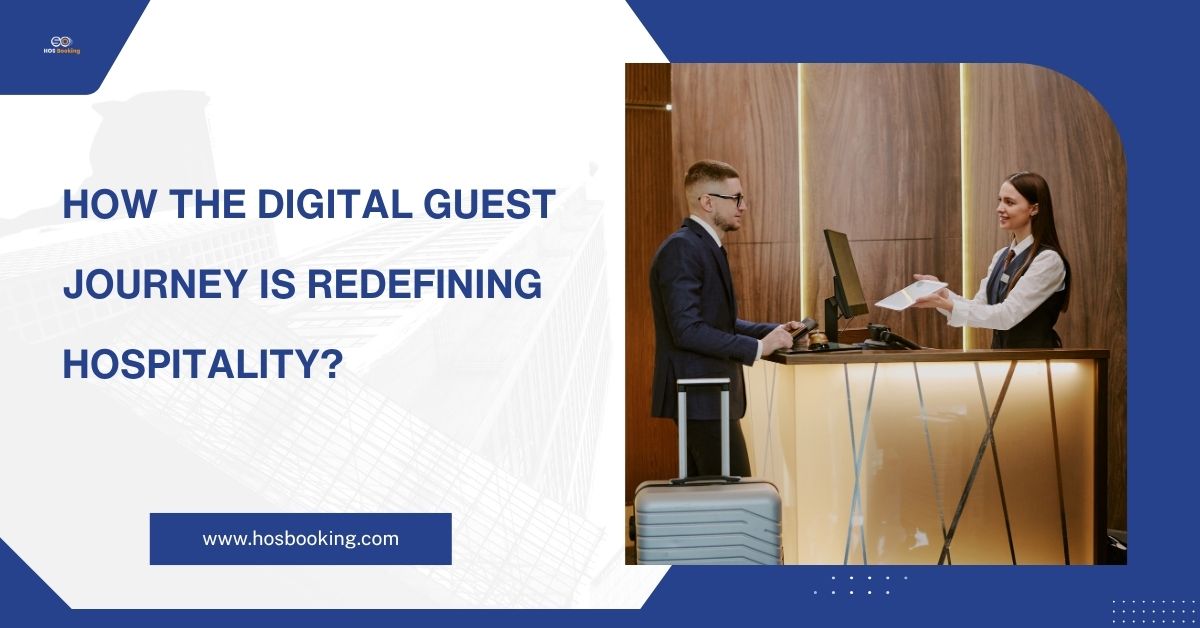
Digital Guest Journey Is Redefining the Hospitality Industry
The hospitality industry is defined by check-in counters, paper forms, or even traditional concierge desks. Instead, it is powered by a seamless, data-driven, and highly personalized digital guest journey that begins long before a guest arrives and continues long after they check out.
From hotel booking systems to contactless hotel experiences and hyper-personalized in-stay services, the digital transformation of hospitality is reshaping how hotels attract, serve, and retain guests.
Why the Digital Guest Journey Matters?
Modern travelers expect more than just comfort; they expect convenience, speed, and personalization. If hotels fail to meet these expectations, guests quickly switch to competitors. Here’s why the digital guest journey is now critical:
1. Guest Expectations Have Changed
Today’s travelers are digitally native. They book flights, compare hotels, and read reviews in seconds. They expect the same level of efficiency when interacting with hotels.
2. Personalization Drives Revenue
Hotels using data-driven personalization see higher conversion rates and increased customer loyalty. Guests are more likely to book when experiences feel tailored to their preferences.
3. Mobile-First Behavior Dominates
Over 80% of travel bookings now begin on mobile devices. A strong digital guest journey ensures a seamless mobile experience from discovery to checkout.
4. Operational Efficiency
Automation reduces manual workloads for staff, allowing hotels to focus on high-value guest interactions instead of repetitive administrative tasks.
Key Stages of the Digital Guest Journey
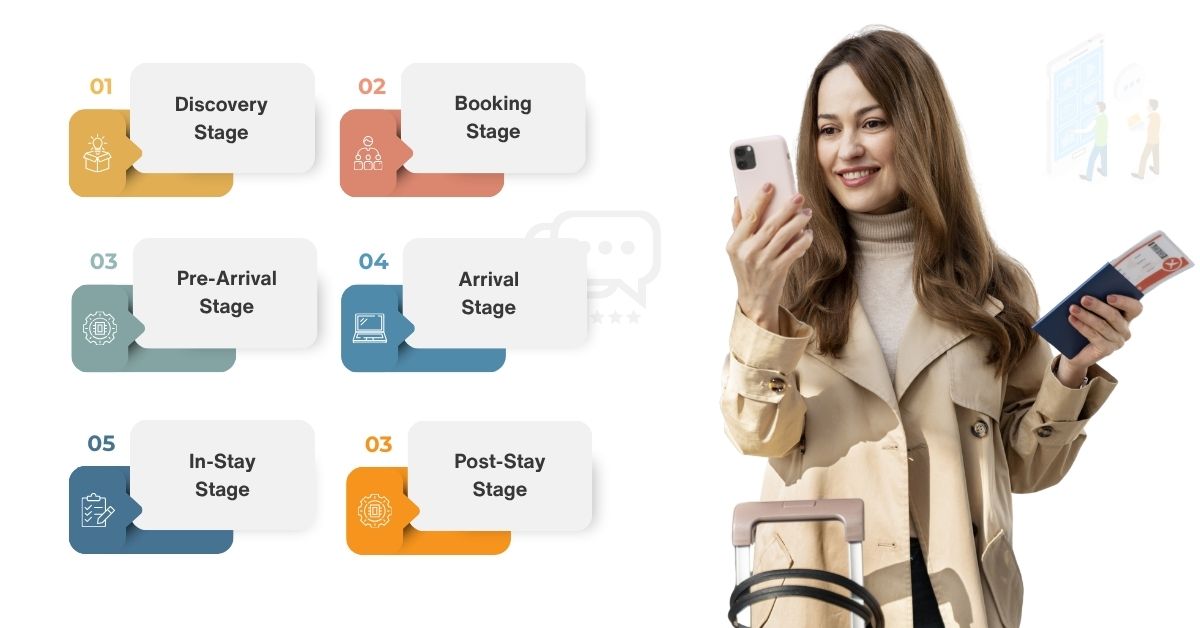
To fully understand its impact, let’s break down the modern guest journey into five key stages.
Discovery Stage: The First Digital Touchpoint
The digital guest journey starts when travelers search for hotels online using Google, AI tools, and review platforms. Strong SEO and visibility are crucial at this stage. Hotels using HOS Booking can capture direct demand early and attract high-intent guests before competitors influence their decision.
Booking Stage: Converting Interest into Reservations
At the booking stage, guests expect fast, seamless, and mobile-friendly experiences. Platforms like HOS Booking improve direct reservations, while hotel management software ensures real-time availability and pricing accuracy. A smooth checkout process reduces drop-offs and increases conversion rates, directly impacting revenue and guest acquisition.
Pre-Arrival Stage: Personalization Before the Stay Begins
After booking, hotels begin shaping the digital guest experience through personalized communication. Using hotel management software, they send confirmations, upgrade offers, and digital check-in options. This stage builds anticipation and allows hotels to understand guest preferences, ensuring a more tailored and satisfying stay upon arrival.
Arrival Stage: Seamless Check-In with Digital Systems
The arrival process is now driven by automation and self-check-in kiosks, reducing wait times and improving convenience. Guests can check in within seconds using digital verification. Integrated hotel management software updates room assignments instantly, creating a smooth, contactless arrival experience that enhances overall satisfaction.
In-Stay Stage: Smart and Connected Hospitality
During the stay, the digital guest journey becomes fully interactive through smart rooms and mobile services. Guests can control room settings, request services, and communicate instantly with staff. Powered by hotel management software, hotels deliver faster responses and highly personalized experiences that improve comfort and engagement.
Post-Stay Stage: Loyalty and Long-Term Engagement
After checkout, hotels continue the digital guest experience by collecting feedback and offering personalized loyalty rewards. Using hotel management software, they analyze guest behavior to create targeted offers. This strengthens relationships, encourages repeat bookings, and increases long-term customer retention and brand loyalty.
Conclusion
The rise of the digital guest journey is fundamentally redefining hospitality. From HOS Booking systems and self-check-in kiosks to advanced hotel management software, every stage of the guest experience is now digital, connected, and personalized. Hotels are no longer just places to stay, they are intelligent ecosystems designed to anticipate guest needs and deliver seamless experiences.
In an increasingly competitive market, success depends on how effectively hotels can integrate technology while maintaining authentic hospitality. Those that embrace the full digital guest experience will not only improve operations but also achieve stronger SEO visibility, higher conversions, and long-term guest loyalty.
Ready to Automate Your Hotel with the Right Solution?
Book a personalized demo and discover how HOS Booking can transform your hotel operations. Built for modern independent hotels of all sizes, from small boutique properties to medium and large hotel groups across Europe.
Book a demo
With years of practical experience, Vernes brings valuable insights into the ever-changing world of hotel operations, guest experience, and technology integration. This expertise is reflected in his clear and practical writing, which helps professionals succeed.
Contact us
Do you have questions about the product or would you like a general overview of our products? Feel free to contact us via the channels provided. We look forward to hearing from you. Your Snowoffice Team!